
Blog
Future Trends in the Funeral Industry


With the continuous development of society and advancements in technology, the funeral industry is undergoing profound changes. Whether it is intelligentization, environmental friendliness, personalization, or service model transformation, these trends will drive the industry toward more efficient and humanized development. Here are some of our predictions and trend analysis for the future of the funeral industry:
- Application of Intelligent and Automated Technology
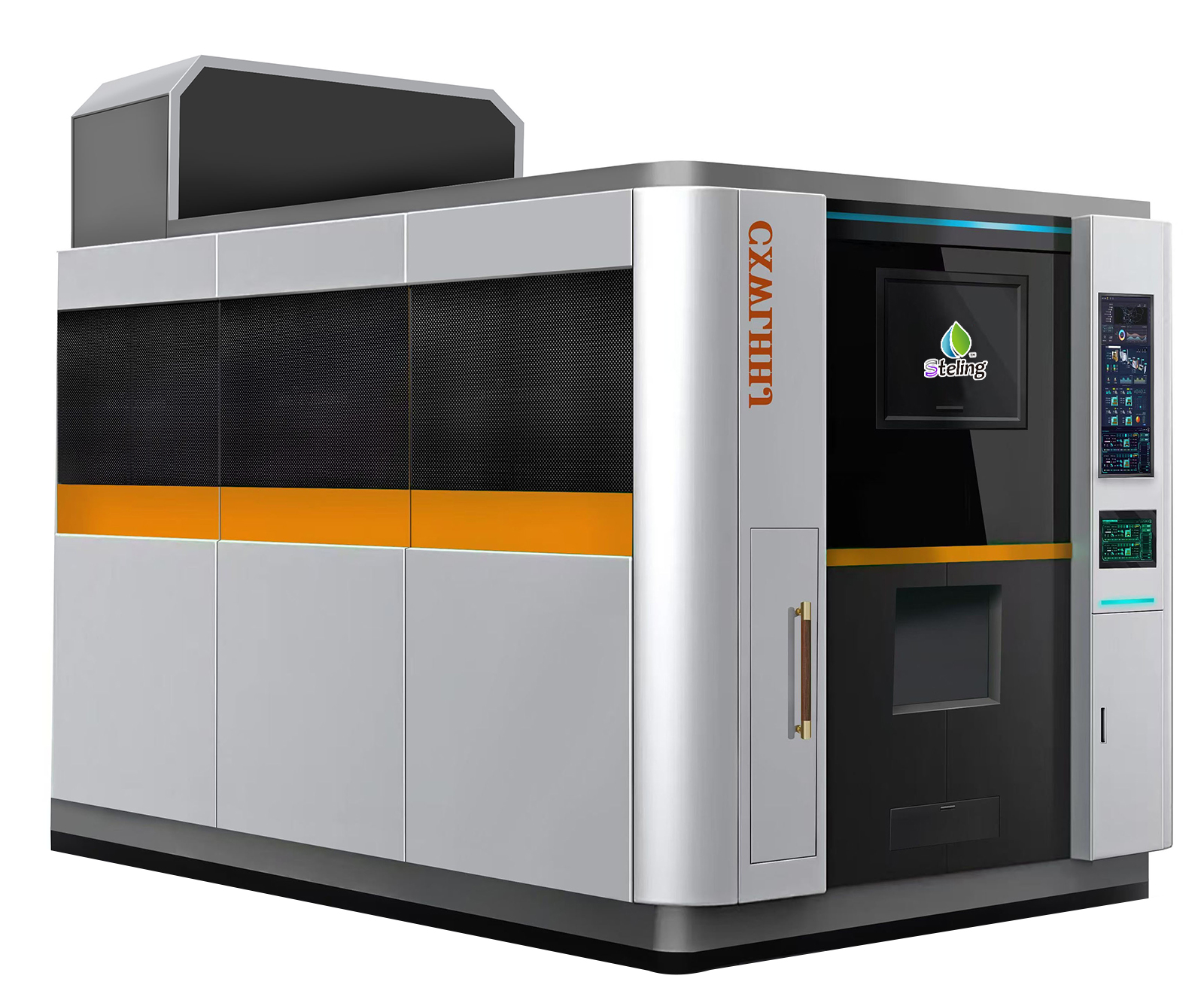
With the popularization of intelligent technology, various aspects of the funeral industry are beginning to leverage automation and intelligence to improve efficiency and safety. In the future, smart cremation furnaces, automated body transport systems, and remote monitoring technologies will become standard configurations. More efficient and precise equipment will improve service quality, reduce manual operations, and increase the overall efficiency of the industry.
2. Environmental Protection and Sustainability
Environmental protection is a globally increasing concern, and the funeral industry is also moving towards more eco-friendly and energy-efficient practices. In the future, green funerals (such as natural and sea burials) and eco-friendly cremation furnaces will become mainstream trends, reducing environmental impact. At the same time, eco-friendly materials and low-emission equipment will gradually replace traditional products, supporting the sustainable development of the funeral industry.
3.Customization and Personalization of Services
With the diversification of consumer needs, funeral services are gradually moving towards customization and personalization. In the future, caskets, urns, and memorial products will offer more personalized designs to meet clients’ cultural, religious backgrounds, and personal preferences. Meanwhile, funeral services will also offer customized memorial ceremonies and digital memorial platforms, making every farewell unique and meaningful.
4. Diversification of Funeral Service Models
Traditional funeral services are gradually transforming. In addition to traditional funeral services, the future funeral industry will include innovative services such as online memorial platforms, virtual cemeteries, and virtual funerals. Funeral homes and funeral equipment suppliers will strengthen collaboration with fields such as psychological counseling and legal services to offer more comprehensive services and meet modern people’s diverse funeral needs.
5. Integration of Healthcare and Funeral Industries
With the aging population, the integration of healthcare and funeral industries will be an important trend in the future. Cooperation between hospitals, nursing homes, and funeral homes will become closer. For example, palliative care services, body transportation, and cremation arrangements will be provided jointly by hospitals and funeral service providers. The extension of funeral services will not only be limited to death itself but will also encompass areas such as healthcare management, psychological support, and estate planning.
6. Cultural Heritage and Innovation
While the introduction of modern technology is driving the transformation of the funeral industry, the inheritance of traditional cultures remains a key part of the industry. In the future, the funeral industry will pay more attention to the integration of traditional culture and modern technology, providing personalized services that align with local cultural and religious beliefs. For instance, customized services combining local traditions and religious rituals will meet the growing demand for cultural diversity.
Conclusion
As technology, environmental concerns, personalization, and service models continue to innovate, the funeral industry will usher in a more efficient, warm, and humanized future. From smart technologies to green funerals, from customized services to the integration of the healthcare industry, the future funeral industry will not only become more diverse and innovative but also more focused on the true needs of society and clients, creating a more respectful way of farewell.